
Car maintenance schedule planning is one of the most important responsibilities of vehicle ownership. Staying ahead of routine services helps you avoid unexpected breakdowns, expensive repairs, and unsafe driving conditions. Many car owners aren't sure what needs attention and when, which leads to missed services and premature wear on critical components. If you've ever ignored a dashboard light or put off a service visit, you're not alone, but understanding what your check engine light means and following a structured maintenance plan can save you thousands of dollars over the life of your vehicle.
This complete guide breaks down everything your car needs at every major mileage interval so you always know what's coming next.
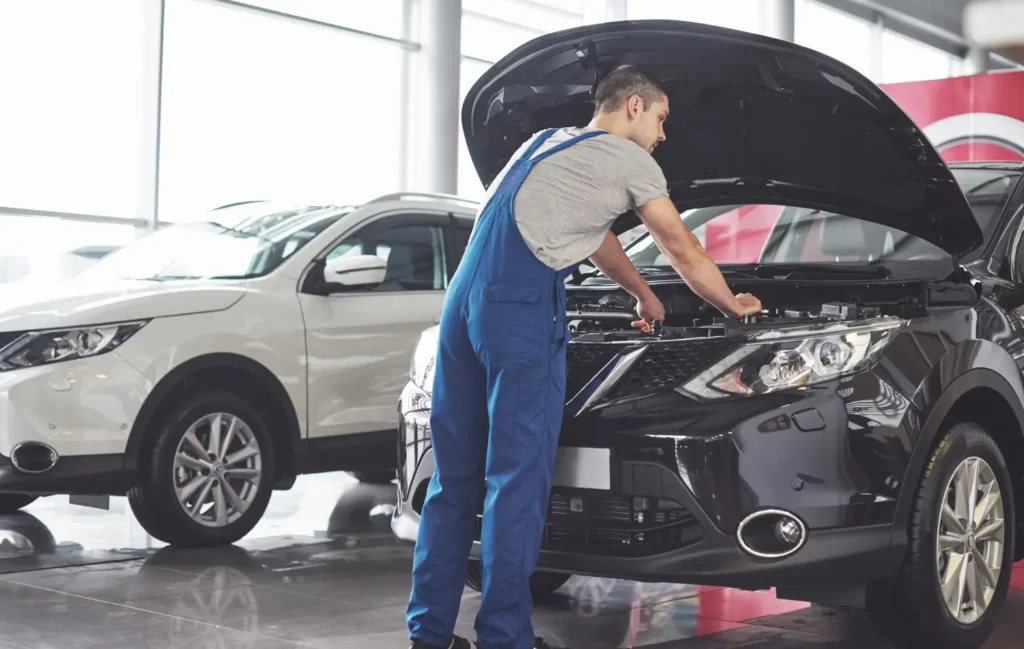
Why a Car Maintenance Schedule Is Essential
Your vehicle is made up of thousands of moving parts, fluids, and filters that all have a limited lifespan. Without regular attention, small issues turn into major failures. A consistent car maintenance schedule protects your engine, transmission, brakes, suspension, and electrical systems from avoidable damage.
Beyond preventing breakdowns, routine maintenance also improves fuel efficiency, extends your vehicle's lifespan, and preserves its resale value. Most manufacturers outline a recommended service timeline in the owner's manual, but your driving habits and conditions matter too. Frequent short trips, heavy traffic, towing, and extreme weather can all accelerate wear, meaning you may need to service your vehicle sooner than the standard intervals.
Every 3,000 to 7,500 Miles: The Basics
Your car maintenance schedule starts with the services you'll repeat most often. These are the foundation of vehicle care.
Oil and filter change — This is the single most important maintenance task for your engine. Conventional oil typically needs changing every 3,000 to 5,000 miles, while full synthetic oil can last 5,000 to 7,500 miles or longer. Always follow the recommendation in your owner's manual.
Tire pressure check — Under-inflated or over-inflated tires wear unevenly, reduce fuel economy, and compromise handling. Check your tire pressure at least once a month and before long trips.
Tire rotation — Rotating your tires every 5,000 to 7,500 miles promotes even tread wear and extends their overall lifespan.
Fluid level inspection — A quick check of your coolant, brake fluid, power steering fluid, and windshield washer fluid helps catch low levels before they cause problems.
Every 15,000 to 30,000 Miles: Building on the Foundation
As mileage climbs, additional components require inspection and replacement to keep your vehicle performing at its best.
Engine air filter replacement — A dirty air filter restricts airflow to the engine, reducing power and fuel efficiency. Most filters need replacing every 15,000 to 30,000 miles, depending on driving conditions.
Cabin air filter replacement — This filter cleans the air inside your vehicle's cabin. Replacing it regularly keeps your heating and air conditioning system working efficiently and improves interior air quality.
Brake pad inspection — Brake pads typically last between 25,000 and 65,000 miles, but this varies widely based on driving habits. Regular inspections around the 20,000 to 25,000-mile mark help you catch wear before it affects your rotors or braking performance. The team at Yeoman Service Center provides expert brake repair in Fort Wayne to keep your stopping power reliable and safe.
Coolant top-off and inspection — Low or degraded coolant puts your engine at risk of overheating. Have your coolant inspected and topped off at this interval.
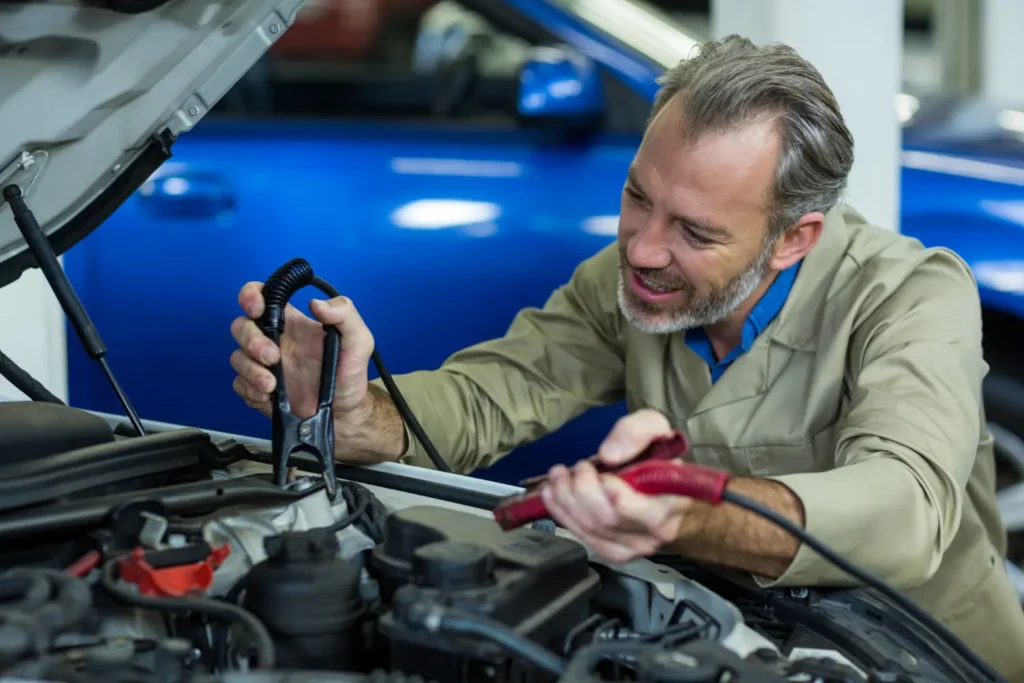
Battery testing — While batteries typically last three to five years, testing them around 25,000 miles gives you a heads-up before a failure leaves you stranded.
Every 30,000 Miles: The First Major Milestone
The 30,000-mile mark is your vehicle's first significant service milestone, and your car maintenance schedule should include several important tasks here.
Transmission fluid check or replacement — Some manufacturers recommend a full fluid change at 30,000 miles, while others suggest only an inspection. Fresh transmission fluid ensures smooth shifting and protects internal components from excessive wear.
Power steering fluid service — Over time, power steering fluid breaks down and collects contaminants. A flush at this interval keeps your steering responsive and quiet.
Spark plug inspection — Standard copper spark plugs may need replacement around 30,000 miles. Iridium and platinum plugs last longer, but an inspection at this point ensures everything is firing properly.
Fuel system cleaning — Carbon deposits begin building up on fuel injectors and intake valves over time. A professional cleaning restores fuel economy and engine performance.
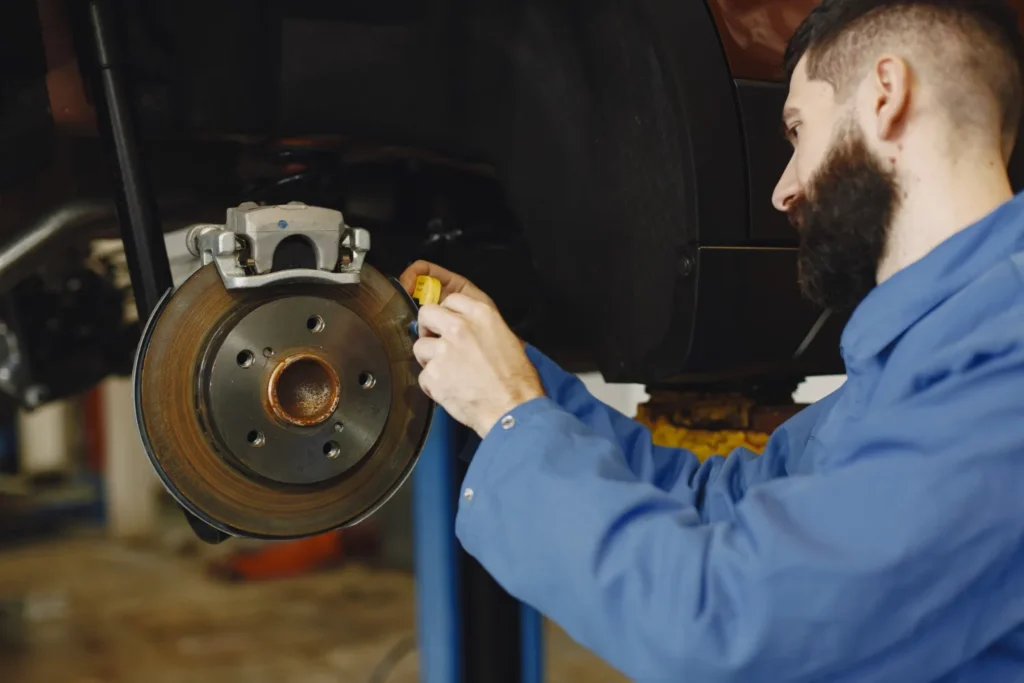
Comprehensive brake inspection — Beyond just the pads, this inspection should include rotors, calipers, brake lines, and brake fluid condition.
Every 60,000 Miles: Mid-Life Service
At 60,000 miles, many components that were only inspected earlier now need replacement. This is a critical point in your car maintenance schedule.
Timing belt replacement — If your vehicle uses a timing belt rather than a chain, replacement is typically due between 60,000 and 100,000 miles. A failed timing belt can cause severe engine damage, making this one of the most important scheduled services.
Spark plug replacement — Even long-life spark plugs are approaching their limit around 60,000 miles. Worn plugs cause misfires, rough idling, poor acceleration, and increased fuel consumption.
Brake fluid flush — Brake fluid absorbs moisture over time, which lowers its boiling point and reduces braking effectiveness. A complete flush at 60,000 miles keeps your braking system safe and responsive.
Transmission fluid and filter change — A full service at this point removes worn fluid and any accumulated debris from the filter, helping extend the life of your transmission.
Coolant system flush — A complete coolant flush removes built-up deposits, rust, and old antifreeze, replacing it with fresh fluid to prevent overheating and corrosion.
Suspension and steering inspection — Shocks, struts, tie rods, and ball joints all wear over time. An inspection at 60,000 miles identifies components that need replacement before they affect handling and ride quality.
Drive belt replacement — The serpentine belt drives your alternator, water pump, power steering pump, and AC compressor. A cracked or glazed belt can snap without warning, so proactive replacement at this interval is a smart move.
Every 90,000 Miles: Preparing for the Long Haul
The 90,000-mile mark is where thorough attention to your car maintenance schedule pays off the most. Your vehicle has put in serious work by this point, and several systems need refreshing.
Hoses and gaskets inspection — Rubber hoses and gaskets become brittle with age and heat exposure. Radiator hoses, heater hoses, and valve cover gaskets should all be inspected and replaced if they show signs of cracking, swelling, or leaking.
Second transmission service — Another fluid and filter change keeps your transmission operating smoothly as mileage increases.
Water pump inspection — The water pump is critical to your cooling system. If it shows signs of leaking or bearing wear, replacing it now prevents potential overheating and engine damage.
Exhaust system inspection — Check for rust, leaks, and damage to the exhaust manifold, catalytic converter, muffler, and piping. A compromised exhaust system affects performance, fuel economy, and emissions.
Ignition system check — Beyond spark plugs, the ignition coils and wiring should be inspected. Worn ignition components cause misfires and reduced engine efficiency.
100,000 Miles and Beyond: Keeping Your Vehicle Reliable
Reaching 100,000 miles is a major accomplishment, and with proper care, your vehicle can continue running reliably for many more miles.
At this stage, repeat all previous major services and add a comprehensive bumper-to-bumper inspection. Focus on areas like the timing belt or chain tensioners, motor mounts, wheel bearings, axle boots, and any components that show age-related deterioration. Staying proactive with inspections and replacements at this stage is the key to getting 150,000, 200,000, or even more miles out of your vehicle.
Stay Ahead of Your Maintenance at Yeoman Service Center
A well-planned car maintenance schedule takes the guesswork out of vehicle ownership and keeps you safe on the road. Whether your car is approaching its 30,000-mile service or you're maintaining a high-mileage vehicle, the experienced technicians at Yeoman Service Center are here to help. With locations in Fort Wayne and New Haven, Indiana, we provide honest, reliable service for every make and model. Contact us today or schedule your appointment online to keep your vehicle running at its best.